
Indica, sativa and hybrid are not regulated label categories in Canada. Here is where the words come from and what to compare instead.
On Ontario cannabis products, "indica", "sativa" and "hybrid" are descriptive terms, not regulated categories. The federal label rules require Total THC, Total CBD, the product class and other details, but not these three words, and a Government of Canada biology document says the terms have been applied inconsistently and haphazardly.
So what do they mean when you see them on a menu or a package, and what should you look at instead? Here is a plain-language explanation.
Where the words come from
Health Canada's About cannabis page says cannabis refers to the plant Cannabis sativa. In other words, all of it, botanically, is one species.
The Canadian Food Inspection Agency's biology document on Cannabis sativa explains that two drug-type varieties of the plant came to be known by common names beginning in the 1980s: one referred to as "sativa" and the other as "indica". Those common names stuck and became the shorthand you see in stores today.
Why the labels are unreliable
The same CFIA document makes several points worth knowing before you shop by these words:
- The terms have been applied inconsistently. Different growers and sellers use them differently.
- They are often based on chemistry, not genetics. Strains are frequently labelled "sativa" or "indica" based on their THC to CBD ratio, which the document says does not reflect their taxonomic classification or genetic background.
- The meanings overlap. "Sativa" has been used for high-THC plants and also for low-THC hemp, while "indica" has been used for plants high in both THC and CBD as well as for high-THC, low-CBD plants.
- Crossbreeding has blurred the lines. Extensive hybridization has largely eliminated any distinction between modern strains.
- Strain names are not official cultivars. Many strains have been named, but not all reflect unique types, and strain names are not accepted as cultivars under the international naming code for cultivated plants.
What "hybrid" means on a menu
On a menu, "hybrid" usually signals that a product's strain was bred from parents labelled indica and sativa. Given how much crossbreeding there has been, most modern strains are crosses of one kind or another. Treat "hybrid" as a description of breeding history, not as a promise about the product.
What the label is required to show
The Cannabis Regulations set out what every label must carry. For dried flower, that includes:
- The class of cannabis (for example, dried cannabis).
- The net weight.
- Total THC in mg/g.
- Total CBD in mg/g.
- The brand name, lot number, packaging date and recommended storage conditions.
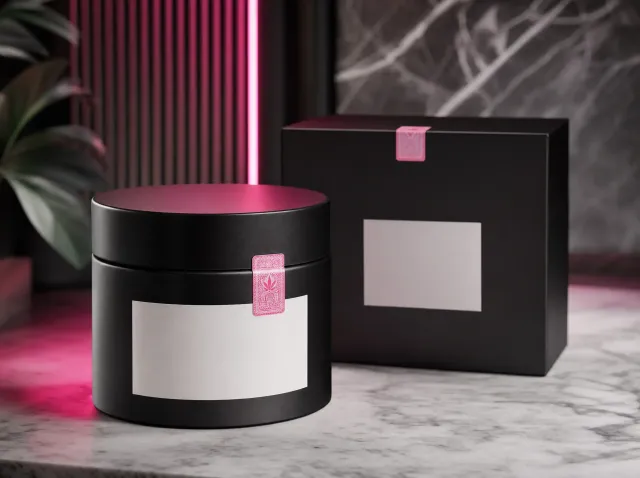
- The standardized cannabis symbol, a health warning and the excise stamp.
Health Canada's guide on reading a cannabis label notes that a strain name is optional. Indica, sativa and hybrid are not on the required list at all. For a full tour of the package, see How to read an Ontario cannabis label.
A better way to compare products
If the three-word system is unreliable, what should you use? The same things the label is built around:
- Total THC. Health Canada's lower your risks guidance suggests starting with inhaled products at 10% (100 mg/g) THC or less.
- Total CBD and the THC to CBD ratio. The same guidance suggests choosing products with a low amount of THC and an equal or higher amount of CBD.
- Format. Inhaled products are felt in seconds to minutes, while edibles take 30 minutes to 2 hours and can take up to 4 hours for full effects, according to Health Canada. Format often matters more than strain.
- Terpene profile. Health Canada says terpenes give cannabis its distinctive smell. Some products list their main terpenes, and many people choose by aroma.
- Packaging date. A fresher package is a better comparison point than a strain label.
People choose products by THC and CBD content and terpene profile. If you are thinking about cannabis for a medical reason, talk to a healthcare provider rather than relying on a strain category.
Why we talk numbers, not promises
Federal rules restrict cannabis promotion that could create the impression of health or cosmetic benefits, and plenty of what gets said about indica and sativa online falls into that territory. At Sugar Beach Cannabis, staff describe products by what is measurable: potency, CBD content, format, size, terpene information where the producer provides it, and price.
It also keeps the conversation honest: two products with the same strain label can have very different Total THC and CBD figures, and the label is the only reliable way to tell them apart. That approach also makes it easier to find a product again. A strain name might be used by more than one producer, but a Total THC figure, a format and a package size are specific.
How to ask for what you want
Instead of "I want an indica", try:
- "Something under 100 mg/g Total THC."
- "A product with equal THC and CBD."
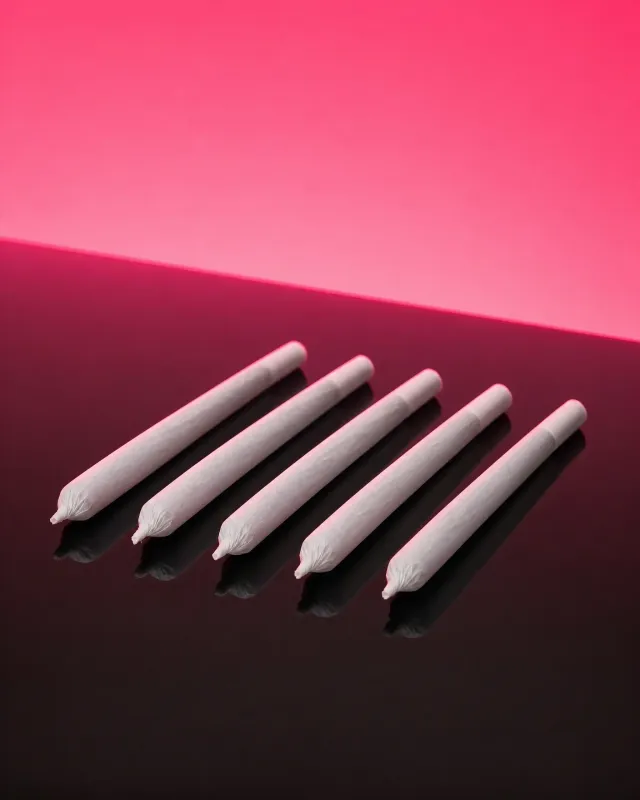
- "A pre-roll pack with a recent packaging date."
- "An edible with 2.5 mg of THC per piece or less."
Staff can help you find any of these on the live menu. If you are browsing on your own, our guides to pre-rolls and blunts and vape cartridges vs all-in-ones explain how to compare within each format.
Visit Sugar Beach Cannabis
Sugar Beach Cannabis is at 192 Queens Quay East, Unit A5, Toronto, beside Sherbourne Common on the waterfront. Browse the live menu, order online and pick up in store, or walk in and ask staff to compare products by the numbers. Contact us with questions, or read more about Sugar Beach Cannabis.
Frequently asked questions
Are indica and sativa required on cannabis labels in Canada?
No. The Cannabis Regulations require details such as Total THC, Total CBD, product class, net weight and packaging date. Health Canada says a strain name is optional, and indica, sativa and hybrid are not required terms.
Is there a real difference between indica and sativa?
A Canadian Food Inspection Agency biology document says the terms have been applied inconsistently, are often based on THC to CBD ratios rather than genetics, and that extensive hybridization has largely eliminated any distinction between modern strains.
What does hybrid mean on a cannabis menu?
It usually means the strain was bred from parents labelled indica and sativa. It describes breeding history, not a guaranteed experience, so compare Total THC, Total CBD and format instead.
What should I look at instead of indica or sativa?
Compare Total THC, Total CBD and the ratio between them, the format, the terpene information if listed, and the packaging date. Health Canada suggests starting with lower-THC products with an equal or higher amount of CBD.
This article is general information about cannabis rules and products in Ontario, not legal or medical advice. Rules change: check the official sources linked above. Cannabis is for adults 19+. Never drive impaired.