
Terpenes are the compounds behind cannabis aroma. Here is what they are, why they are optional on Canadian labels, and where to find a terpene profile.
Terpenes are chemicals made in the cannabis plant alongside the cannabinoids, and Health Canada says they give cannabis its distinctive smell. On Ontario cannabis products, a terpene profile is optional information: some producers print it, some put it behind a QR code, and some leave it off entirely.
This guide explains what terpenes are, how they can appear on a legal label, and how to read a terpene list when you find one. It sticks to what can be measured. You will not find claims here about what any terpene does, and the reason for that is below.
What terpenes are
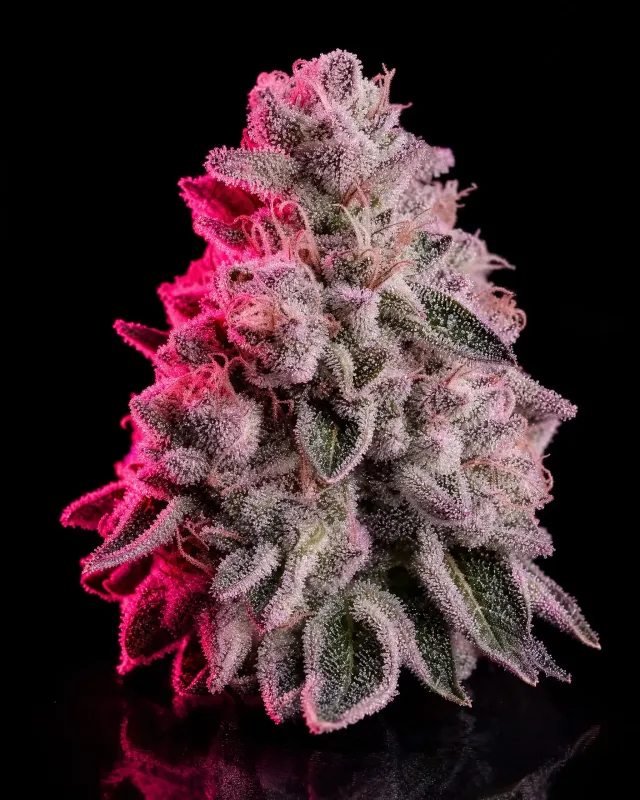
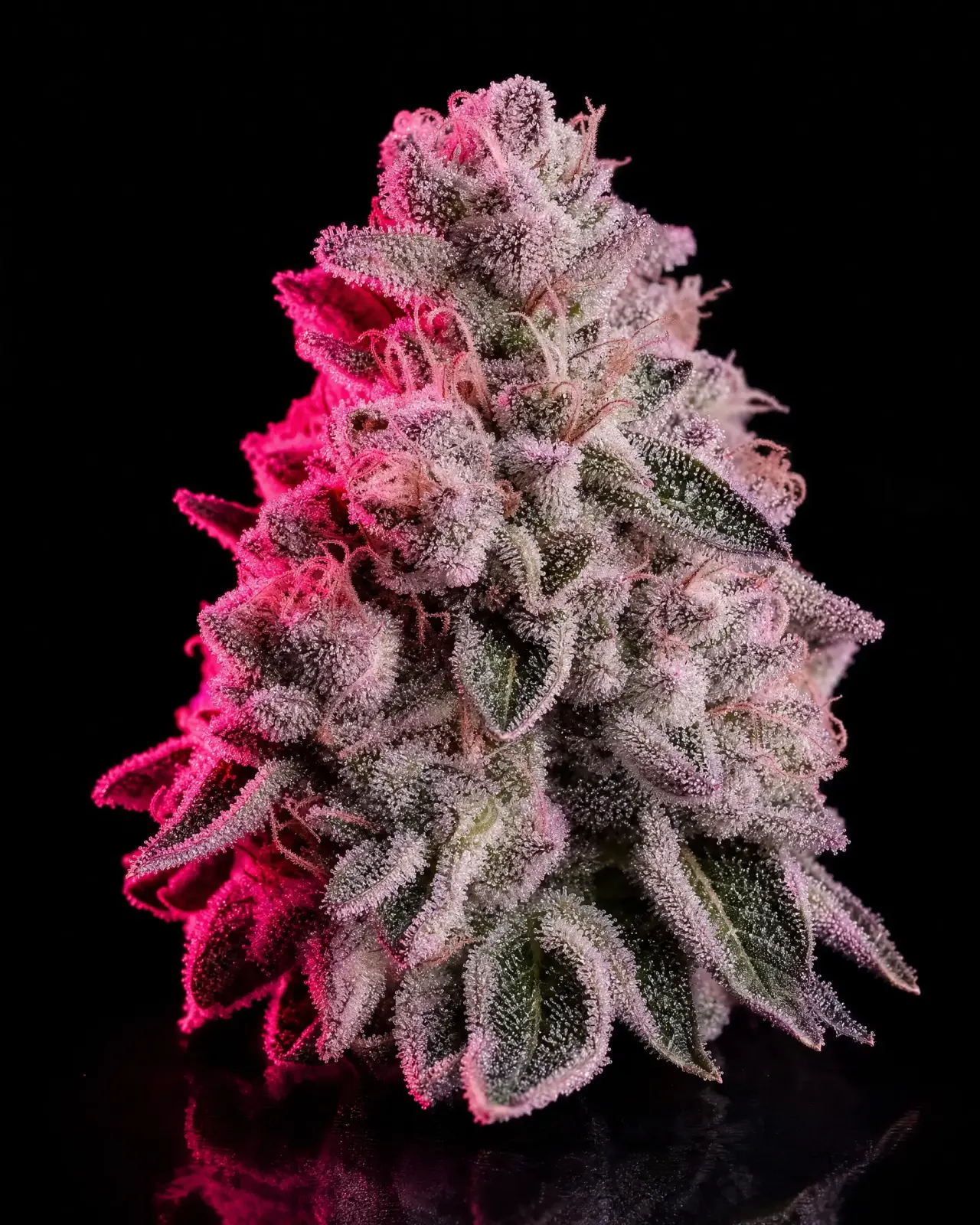
Health Canada's About cannabis page puts it plainly: terpenes are chemicals made and stored in the trichomes of the cannabis plant, with the cannabinoids. Trichomes are the tiny, clear hairs that stick out from the flowers and leaves.
Terpenes are a large family of compounds, and they are not unique to cannabis: many plants produce them. In cannabis they are what you notice when you open a fresh container. They are separate from cannabinoids such as THC and CBD, which our THC vs CBD guide covers.
Are terpenes on the required label?
No. The Cannabis Regulations set out what every label must carry, including the class of cannabis, the brand name, the lot number, the packaging date, the recommended storage conditions, Total THC and Total CBD. A terpene list is not on that required list.
Health Canada's packaging and labelling guide lists terpenes under optional information. Licence holders may add extra product information, provided it is not false, misleading or deceptive, or likely to create an erroneous impression. Health Canada's examples include:
- other cannabinoid content
- terpene profile
- strain name
- percentage of THC and CBD for dried cannabis
- production practices, such as "sun-grown" or "hand-trimmed"
The guide also sets the format: optional product information on the label must be in a plain, standard sans serif type, in black or white. That is why terpene lists on legal packaging look so plain.
Where a terpene profile can appear
Because it is optional, the terpene information for a product can turn up in a few places. Health Canada's labelling guide covers each of them:
| Where | What Health Canada's guide says |
|---|---|
| On the label | Terpene profile is permitted optional information, in the required plain format. |
| Behind a QR code | QR codes may give consumers extra information, such as the terpene profile or the certificate of analysis. |
| On an insert or leaflet | Producers may include factual information such as cannabinoid or terpene amounts. |
| Not at all | It is optional, so many products carry no terpene information. |
There is a catch with QR codes and inserts: Health Canada says everything reachable through a QR code is still subject to the Cannabis Act's rules, including the restrictions on promotion.
What happens behind the label
Even when a package says nothing about terpenes, the rules still touch them.
- Testing records. The Cannabis Regulations require licence holders to keep documents for each lot or batch, including any information obtained through testing that relates to the phytocannabinoid and terpene content.
- Even distribution in extracts. For a cannabis extract, such as a vape cartridge, or a cannabis topical, the regulations say the cannabinoids and terpenes must be uniformly distributed throughout the product.
- Flavouring agents. The regulations allow flavouring agents as an ingredient in cannabis extracts, and the ingredient list is required on extracts. Health Canada's guide says flavouring agents may be listed at the end of the ingredient list in any order.
So for a vape or concentrate, read the ingredient list as well as any terpene line. Our concentrates guide and vape guide cover those formats.
How to read a terpene list
When a producer does list terpenes, you will usually see a few compound names, sometimes with an amount beside each one. Names you may come across include:
- myrcene
- limonene
- beta-caryophyllene
- linalool
- alpha-pinene and beta-pinene
- humulene
- terpinolene
A few tips for reading the list:
- Check the unit. If amounts are given, see whether they are in mg/g or a percentage, just as you would for THC. Divide mg/g by 10 to get a percentage.
- Compare like with like. If one list gives a total figure and another gives only individual compounds, they are not directly comparable.
- Match the lot. Testing records are kept by lot or batch, so a terpene figure applies to the package in your hand. Check the lot number and packaging date.
- Remember it is optional. A product with no terpene list is not missing anything required. It simply means the producer chose not to print it.
Why we describe terpenes by name, not by promise
You will find plenty of claims online that a given terpene makes you feel a certain way. We do not make those claims, for two reasons.
First, the Cannabis Act restricts how cannabis can be promoted. Health Canada's labelling guide lists claims of health or cosmetic benefit among the examples of prohibited promotion, including through a QR code.
Second, it is more useful to stick to what can be checked. A terpene name and an amount on a label are facts you can compare. A promise about how a product will feel is not.
People do choose products by THC and CBD content and by terpene profile, and many simply choose by aroma. If you are thinking about cannabis for a medical reason, talk to a healthcare provider.
Keeping aroma intact at home
Terpenes are what you smell, and the label tells you how to keep the product in good condition. Every label must show recommended storage conditions, and the packaging date tells you when it was packed. Keep products in their original packaging, close it properly after use, and follow the storage conditions printed on it. Our storage guide covers freshness and safety in more detail.
Asking about terpenes at the counter
If aroma matters to you, ask staff which products on the shelf list terpene information and help you compare the lists in the same units. You can also browse the live menu by category before you visit. For a full tour of the rest of the package, read how to read an Ontario cannabis label.
Visit Sugar Beach Cannabis
Sugar Beach Cannabis is at 192 Queens Quay East, Unit A5, Toronto, beside Sherbourne Common on the waterfront. Browse the live menu, order online and pick up in store, or walk in and ask about the terpene information on any product. We are open 10 a.m. to 10 p.m., 7 days a week (hours can change on holidays, so call ahead). 19+ with government photo ID. Contact us with questions, or learn more about the store.
Frequently asked questions
What are terpenes in cannabis?
Health Canada describes terpenes as chemicals made and stored in the trichomes of the cannabis plant, together with the cannabinoids. It says terpenes give cannabis its distinctive smell.
Do Canadian cannabis labels have to list terpenes?
No. Terpenes are not on the list of required label information in the Cannabis Regulations. Health Canada's labelling guide lists a terpene profile as optional information that a producer may add, as long as it is not false or misleading.
Where can I find a product's terpene profile?
Check the label first. Health Canada's guide says producers may also share the terpene profile through a QR code on the package or on an insert. Many products do not list terpenes at all.
Are terpenes and cannabinoids the same thing?
No. Cannabinoids such as THC and CBD and terpenes are different groups of compounds, although Health Canada notes both are made and stored in the plant's trichomes.
This article is general information about cannabis rules and products in Ontario, not legal or medical advice. Rules change: check the official sources linked above. Cannabis is for adults 19+. Never drive impaired.